Two Algorithms Walk Into a Room: Who Gets the Paycheck?
July 22, 2026

As AI evaluates candidates who are using AI to answer, hiring is quietly outsourcing the one thing it can't afford to lose: human judgment.
Reading Time: 7-9 Minutes
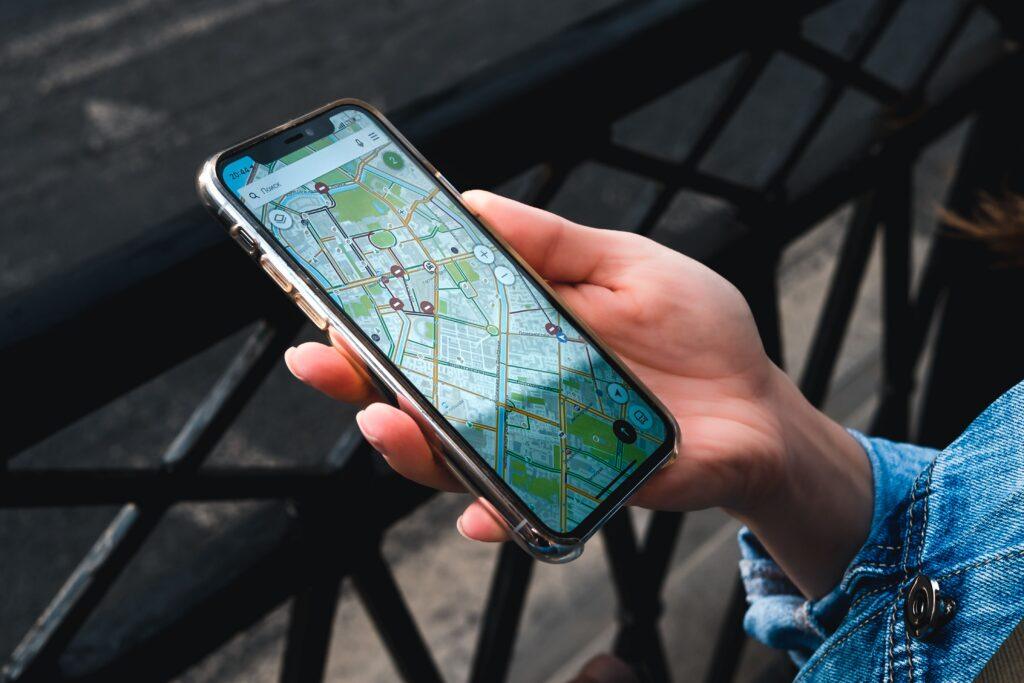
There’s a well-worn story about drivers who trust their GPS more than their own eyes. Ranger stations in Death Valley have a name for it:
“death by GPS,” because tourists keep driving trucks down roads that stopped being roads years ago, simply because a screen told them to turn. The screen isn’t malicious. It’s just confident. And confidence, it turns out, beats correctness almost every time a human has to choose between them.
Hiring has its own version of this story now, and it’s playing out in real time. Three out of four U.S. job seekers now use AI somewhere in their job search, and roughly 22 percent admit to using AI assistance live, during the actual interview.Meanwhile, 81 percent of Big Tech interviewers already believe the candidate across from them is being fed answers. Both sides showed up armed.
That last part matters. A lot.
The Interview Was Never Supposed to Be a Blind Trust Fall
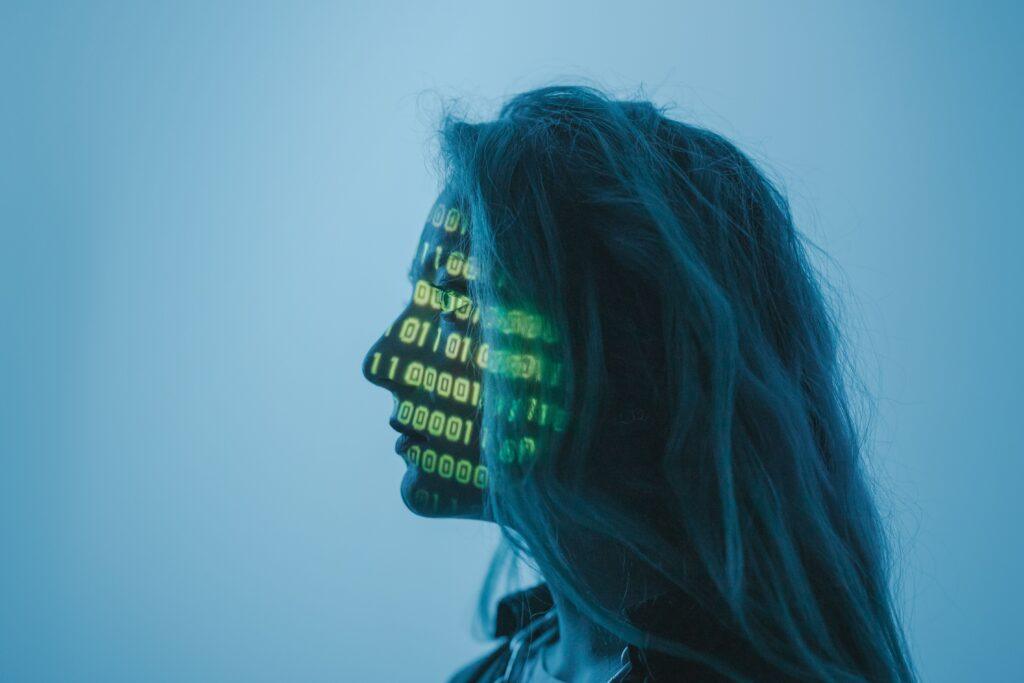
For most of hiring’s history, the interview was the one place you couldn’t fake it for long. Ask a real follow-up question and a rehearsed answer would crack. That was the whole point.
Now a candidate who used AI to prepare scores higher on interview ratings than a candidate who didn’t, according to MIT Sloan research. Not because they know more. Because they perform better. One recruiter told Newsweek the quiet part out loud: interviews are starting to resemble open-book environments, and when both sides are running the same open book, it can quickly turn into two algorithms talking to each other.
The skill being measured has quietly changed from “can you do the job” to “can you operate a tool well enough to look like you can.”
Employers noticed and did what employers do: they built detectors. Some proctoring platforms now track twenty or more behavioral signals at once, including eye movement, response latency, and the rhythm of a real pause versus a generated one. One vendor has patented an autonomous agent specifically trained to hunt down and neutralize AI interview assistants in real time.
Read that sentence again. We built an AI to catch candidates who used an AI to fool the humans who are increasingly relying on AI to judge them.
Why We Trust the Machine Even When It’s Wrong
This isn’t candidates being dishonest and employers being paranoid. It’s a much older bug in how people think, and it has a name: automation bias.
Researchers define it as our tendency to accept and favor answers from automated systems, even when our own judgment suggests otherwise. It’s why pilots have followed automated navigation even when their instincts said something was wrong, and why Patriot missile operators during live engagements exhibited an unwarranted, uncritical trust in the system, effectively ceding control to the machine.
The tool doesn’t have to be right. It just has to look finished.
That’s the trap in hiring specifically. A confident AI-generated interview score reads as more objective than a hiring manager’s gut, even when the gut is picking up something real that the score can’t see.
One writer studying this pattern put it plainly: good automation makes its output look finished, with neat charts, clean summaries, and confident rankings, and that presentation pushes people into “final answer” mode, treating a proposal as a verdict.
And the candidates on the other side of that screen know it. Only 26 percent of candidates trust AI to evaluate them fairly, and 43 percent believe AI recruiting tools are more biased than a human would be. Nobody involved fully trusts the system. Everybody’s using it anyway.
The Cost Isn’t Just a Bad Hire. It’s a Skill Going Quiet.
Here’s the part that should worry talent leaders more than any single mis-hire: automation bias doesn’t just cause bad decisions. It atrophies the judgment underneath them.
When the machine takes over the hard part, the human doing the “reviewing” gets fewer reps at actually evaluating. Fewer reps means a weaker gut over time, not a stronger one. One researcher framed it as a loop: reliable automation breeds trust, trust breeds less oversight, less oversight hides drift, and drift makes the eventual failure sharper.
That drift is already visible in hiring data. A Harvard Business Review study found that 45 percent of hiring managers second-guess AI’s recommendations, which sounds like healthy skepticism until you realize second-guessing after the fact isn’t the same as evaluating in real time. And on the candidate side, 52 percent of job seekers already feel AI doesn’t capture their true qualifications.
So the two sides of the table are converging on the same complaint from opposite directions: candidates don’t trust the score, and interviewers don’t trust the answer. Everyone’s still driving. Nobody’s looking at the road.
What Actually Restores the Signal
This isn’t an argument to rip AI out of hiring. Speed and consistency are real, and pretending otherwise helps no one. It’s an argument for putting judgment back where the interview can’t be gamed by a second screen.
A few things are already working, according to hiring teams adapting in real time:

Ask the follow-up, not the prepared question. AI-generated answers are strong on the first pass and weak the moment you push past it. Asking “Tell me more about that” or “What would you do differently” forces a candidate to respond in the moment, something a prepared script cannot anticipate.
Make them show the work live. Sixty-eight percent of hiring leaders now rank hands-on, real-time problem solving above resume credentials or rehearsed behavioral answers as the most trustworthy signal they’vegot.
Read before you reveal the score. One practical fix from researchers studying this exact bias: form your own one-sentence read on a candidate before you look at what the algorithm scored them. Compare notes after, not before.
None of that requires distrusting technology. It requires refusing to let the technology’s confidence stand in for your own.
The Wrap Up
The GPS doesn’t know the road washed out. It just knows the map still says to turn. The hiring stack doesn’t know the answer was generated in real time by a second screen. It just knows the transcript reads cleanand the pacing looks right.
The question was never “can AI evaluate a candidate.” It’s whether the humans on both ends of the interview are still willing to trust what they actually see over what the screen tells them they’re seeing.
Two algorithms can absolutely have a very smooth conversation. It just won’t tell you who gets the paycheck.
READY TO PUT JUDGMENT BACK IN THE ROOM?
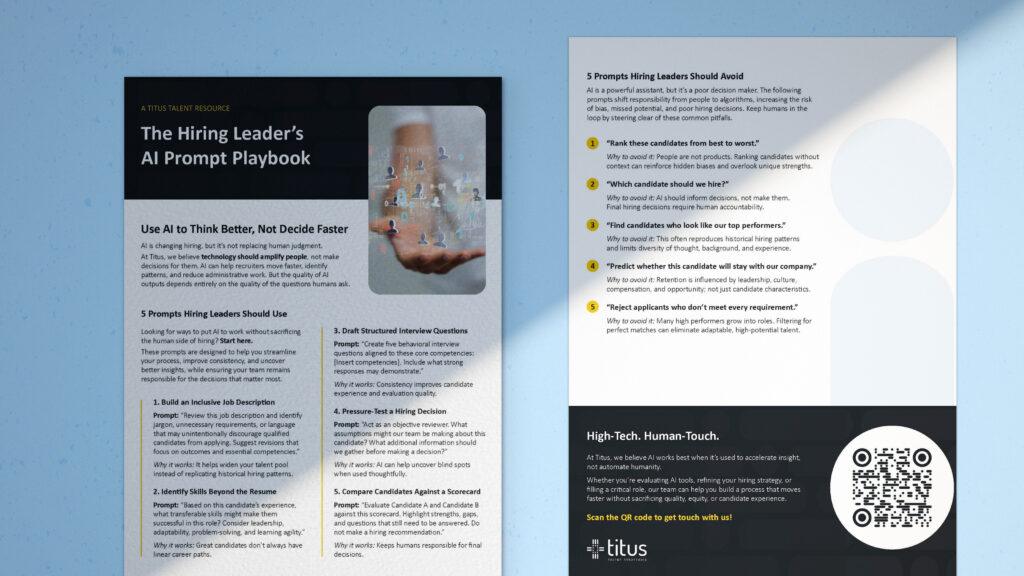
A GPS is a great co-pilot and a poor decision-maker. The same holds true for AI in your hiring process: it should inform the route, not choose the destination. At Titus Talent Strategies, that’s the foundation of our high-tech, human-touch approach. We use AI and tools like the Predictive Index to move faster and reduce noise, while every final read on a candidate still comes from a person in the room, asking the questions that reveal who they really are. If you want a hiring process that’s efficient without losing the judgment that makes it accurate, let’s talk.
Let's Start a Conversation
TITUS INSIGHTS
Refreshing perspectives and practical expertise from the Titus team.