Hiring Smarter with the 17 Predictive Index Reference Profiles
August 19, 2025

Hiring often feels like a gamble. The Predictive Index, used correctly, can turn a hiring gamble into a hiring guarantee. Dive into our blog to learn more.
Estimated Read Time: 8-10 Minutes
Hiring often feels like a gamble. A candidate can look perfect on paper and ace the interview, but once on the job, the fit may not be ideal. The skills are there; the ability is there, but something is off; think Michael Jordan in Minor League baseball. The Predictive Index (PI) changes that. Unlike personality tests, PI measures behavior at work; the natural drives and decision-making patterns that directly impact performance. 98% of PI users say it enhances their hiring process, turning a gamble into a predictable, data-driven strategy.
By turning instinct into insight, PI replaces guesswork with clarity. It doesn’t just tell you if someone is a “good hire”, it helps determine how well they are likely to perform in the role. It brings data into the hiring process, enabling leaders to make informed, fair, and consistent decisions. This approach also helps address bias: 70% of PI users report that the platform helps them remove bias and subjectivity from their hiring process.
The Four Quadrants of PI
PI groups its 17 Reference Profiles into four quadrants, each reflecting different strengths and approaches to work:
Analytical Profiles
Analyzer, Controller, Specialist, Strategist, Venturer
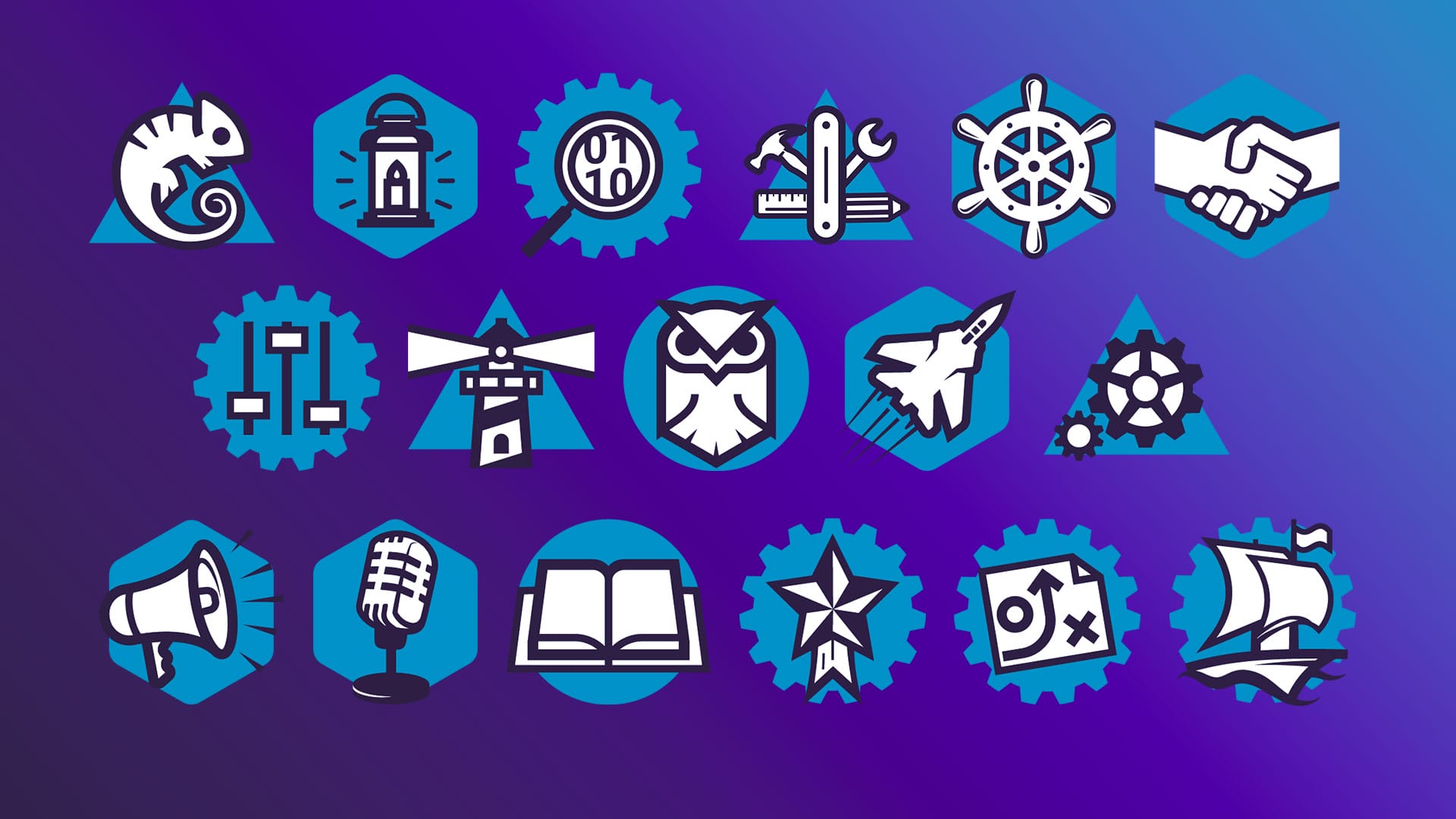
The five reference profiles in the Analytical group, with the gear shape, are typically more dominant than extroverted and have a low amount of patience. People in this group are generally more focused on tasks than people or relationships and tend to work at a fast pace.

Social Profiles
Captain, Collaborator, Maverick, Persuader, Altruist
The six reference profiles in the Social group are energetic, extroverted, people-oriented, and persuasive. Ideal for roles centered on communication, influence, and team leadership.
Stabilizing Profiles
Adapter, Craftsman, Guardian, Operator
Consistent, dependable, and steady. They maintain structure, reliability, and predictability within teams. These individuals are typically more patient, formal, and steady.
Persistent Profiles
Individualist, Scholar
Independent, focused, and driven. They thrive in roles demanding perseverance, vision, and self-direction. These are task-oriented individuals.
The 17 Predictive Profiles and Where They Shine

Analytical Profiles
- Analyzer: Methodical, precise, cautious | Best in finance, research, QA
- Controller: Structured, disciplined | Operations, compliance, project management
- Specialist: Expert-focused, thorough | Technical roles, engineering
- Strategist: Reflective, visionary | Strategic planning, consulting
- Venturer: Ambitious, proactive | Business development, sales
Social Profiles
- Altruist: Service-oriented, supportive | Coaching, HR, nonprofit roles
- Captain: Confident, persuasive | Sales leadership, executive roles
- Collaborator: Cooperative, empathetic | HR, team facilitation
- Maverick: Independent, risk-taking | Startups, product innovation
- Persuader: Energetic, convincing | Sales, marketing, client relations
- Promoter: Outgoing, enthusiastic, and persuasive | Best in roles that involve networking, business development, marketing, recruiting, and positions requiring high energy and engaging with people
Stabilizing Profiles

- Adapter: Flexible, supportive | Administrative support, customer service
- Artisan: Precise, deliberate, and independent | Best in roles that require craftsmanship, technical expertise, and attention to detail, such as design, skilled trades, quality assurance, and technical project work
- Guardian: Loyal, steady | Compliance, operations
- Operator: Efficient, process-oriented | Logistics, project management
Persistent Profiles
- Individualist: Self-reliant, focused | Entrepreneurship, consulting
- Scholar: Thoughtful, analytical | Research, strategy
Right People, Right Seats — With Nuance
PI’s strength lies in aligning behavior to role requirements, but it’s not a rigid formula. There are always exceptions. For example, a technical salesperson may score as an Analyzer. While they aren’t the stereotypical “hunter” sales type, their analytical approach can make them incredibly effective at managing complex accounts.
Conversely, a more traditional hunter-style salesperson may be a Maverick, thriving in the aggressive pursuit of new business. This is where “Benchmarking the role” comes into play.

Setting a Benchmark
In the context of Predictive Index (PI), benchmarking the role is the process of creating a behavioral and cognitive target (we’ll tackle that in another blog) for a specific job. It’s a way of defining the ideal behavioral traits and cognitive abilities a person needs to be successful in a particular role. This isn’t just a gut feeling; it’s a data-driven process.
How Role Benchmarking Works
- Stakeholder Input: Key people from within the organization, such as the hiring manager, current top performers in the role, and HR representatives, take the PI Job Assessment.
- Assessment and Analysis: The PI software analyzes the input from these stakeholders to create a “Job Target” or benchmark. This target visualizes the behavioral and cognitive patterns that are considered most critical for success in that role.
- Validation: The resulting benchmark is a composite of the collective input, providing a standardized, objective profile of the job’s requirements. This reduces the risk of personal bias from a single hiring manager.
- Application: Once the benchmark is set, it serves as a guide for the entire hiring process. A candidate’s PI assessment results can be compared to the job benchmark to see how well they align with the role’s requirements. This comparison helps to inform interview questions, identify potential areas for development, and ultimately, make more informed hiring decisions.
Benchmarking the role ensures that everyone involved in the hiring process is on the same page about what traits and skills are truly needed for the job. It helps companies move beyond a generic job description and create a clear, data-backed standard for evaluating candidates.
Here’s a video from The Predictive Index that provides an introduction to the job assessment process. The Predictive Index – Intro to the Job Assessment.
Disqualification: Avoiding the Wrath of the EEOC

The key is that there is no pass/fail on PI. Instead, it provides a data-backed foundation for hiring decisions. By combining PI results with situational interview questions, hiring managers can explore how candidates will perform in real-world scenarios. This ensures insight-driven decisions while maintaining EEOC compliance and fair hiring practices.
Using a behavioral assessment like the Predictive Index (PI) for disqualification is generally not recommended by PI, as it can increase a company’s legal risk. Instead, the tool is designed to be used as a source of data to inform a hiring decision, not as a pass/fail test.
Why Disqualifying Based on PI is a Bad Idea
There are a few key reasons why using PI to automatically disqualify a candidate is a poor strategy:
- Increased Legal Risk: The Equal Employment Opportunity Commission (EEOC) and other regulatory bodies closely scrutinize hiring practices to ensure they don’t discriminate against protected classes. Using a behavioral assessment as a rigid disqualification tool could be seen as creating an unfair barrier to employment, especially if it disproportionately impacts certain groups. A company would have to demonstrate a direct and critical link between a specific PI profile and essential job functions, which is difficult to prove.
- Focus on Fit, Not Pass/Fail: The purpose of the PI is to measure a candidate’s natural behavioral drives to help a company understand how they might fit into a role and a team. A person who doesn’t perfectly match the benchmark isn’t a “bad” candidate; they’re simply a different type of candidate. Their behavioral profile might even bring a new and valuable dynamic to the team.
- Losing Great Candidates: A candidate who doesn’t match the benchmark might still be a fantastic hire. For example, a candidate with a behavioral profile that is a bit more independent might thrive in a role that requires creativity and self-direction, even if the benchmark for that role is more collaborative. Using PI as a disqualifier could cause a company to miss out on a highly qualified, productive employee.

Instead of disqualification, PI is best used as a tool to generate targeted interview questions. A candidate’s profile can help a hiring manager understand potential challenges or areas of strength, allowing them to ask thoughtful, situational questions that get to the heart of how a candidate would perform in the role. This approach is legally safer and leads to better, more nuanced hiring decisions.
This approach not only leads to better hires but also improves post-hire outcomes. Executives who implement talent optimization practices have reported 34% higher employee performance and three times better retention of high-performing employees.
Using PI helps us hire smarter and build stronger, more engaged teams. Companies that use PI for coaching report that it helps them develop 81% of their employees, while 67% of users say the platform helps achieve stronger employee engagement throughout their organization. This leads to tangible business benefits, such as a 20% drop in attrition and cost savings; one company, Builtech, reported nearly $200,000 in annual attrition-cost savings after using PI.
The Wrap Up
The Predictive Index, used correctly, can turn a hiring gamble into a hiring guarantee. PI brings clarity, insight, and data to one of the most important decisions any organization makes. By understanding behaviors, not just resumes, and combining that knowledge with thoughtful interviews, companies can hire smarter, build stronger teams, and maximize both individual and organizational potential.
Ready to move beyond guesswork and build a talent strategy that drives real results? At Titus Talent, we don’t just find people; we use The Predictive Index to provide the data and insights you need to hire the right people for the right roles. Partner with us to transform your talent acquisition from a reactive process into a proactive strategy that supports your long-term business goals. Let’s start the conversation and build your winning team together. Contact us today.
Let's Start a Conversation
TITUS INSIGHTS
Refreshing perspectives and practical expertise from the Titus team.